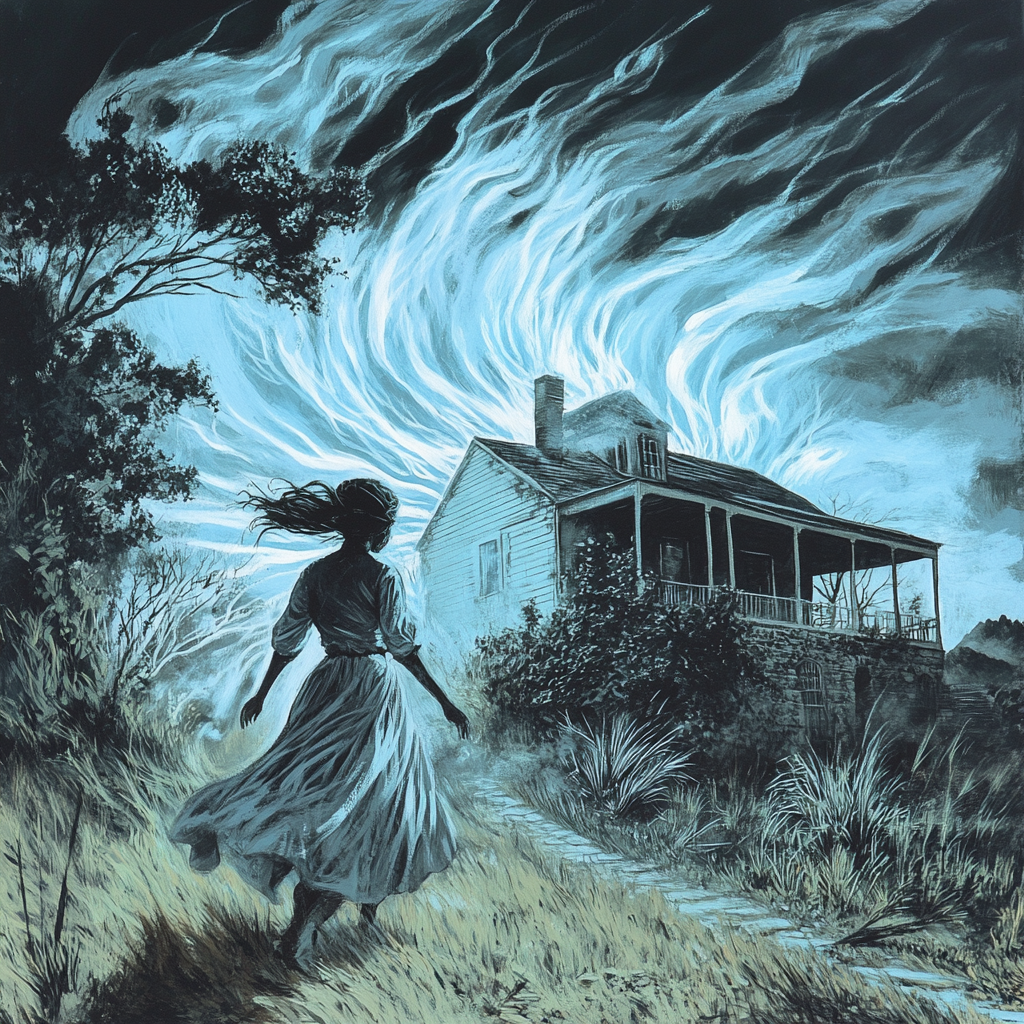
Located near Montego Bay on Jamaica’s north coast, Rose Hall Great House offers visitors a fascinating glimpse into the island’s colonial past — and, according to local legend, a chance to encounter something rather more mysterious.
The historic plantation is surrounded by stories of tragedy, violence and the supernatural, with none more famous than the tale of Annie Palmer, better known as the “White Witch of Rose Hall”. Her ghost has become one of Jamaica’s most enduring legends, drawing visitors fascinated by the darker side of the island’s history. Yet Annie Palmer is far from the only apparition said to haunt the halls of Rose Hall.
Who is the white witch Rose Hall Plantation?
To understand the haunted reputation of Rose Hall, it is important to first understand its history.
Rose Hall was established as a plantation estate in the 18th century, during a period when Jamaica’s sugar economy depended heavily on the forced labour of enslaved Africans. The Great House that stands today dates from the Georgian era and has since been restored. The beauty and grandeur of the building we see today, exists alongside a much darker history — one shaped by colonialism, slavery and the suffering of those who were put to work on the plantation.
Historical research has documented the presence of enslaved people at Rose Hall, including records from the early 19th century. Scholars have also argued that the popular stories surrounding Rose Hall have sometimes overshadowed the real lives and experiences of those who lived and worked on the estate.
It is against this background that the famous story of Annie Palmer emerged.
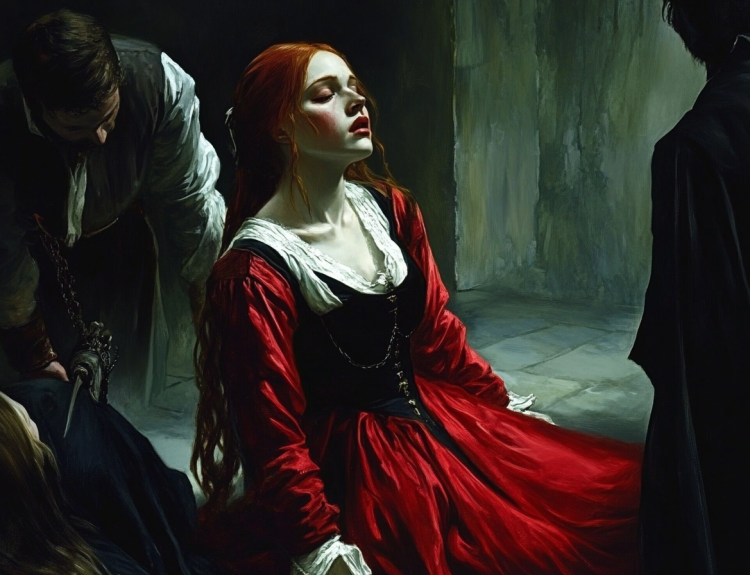
According to the legend, Annie Palmer was a cruel plantation mistress who became known as the “White Witch of Rose Hall”. The story claims that she practised witchcraft, abused enslaved people and was responsible for the deaths of several husbands and lovers. Eventually, Annie herself was murdered by an enslaved lover, bringing her reign of terror to an end.
There are also much darker versions of the story. Some accounts claim that Annie subjected enslaved people to horrific punishments, including imprisonment and torture, while others describe her using supernatural powers to control those around her.
However, there is an important distinction between the legend of Annie Palmer and the historical record.
Research into Jamaican archives has found little evidence to support many of the claims about Annie Palmer. Historian and archivist Geoffrey S. Yates argued in his examination of the Rose Hall story that neither Annie Palmer nor an earlier resident, Rosa Palmer, was murdered by enslaved people at Rose Hall, and that the notorious “White Witch” title was not historically used during Annie Palmer’s lifetime. Stories of ghostly inhabitants are often sensationalised over time, with legend gradually becoming difficult to distinguish from historical fact. The story of Annie Palmer it seems, is no exception.
The legend was published in various forms before becoming particularly well known through H. G. de Lisser’s 1929 novel The White Witch of Rosehall.
This doesn’t necessarily make the story any less fascinating. In fact, the distinction between history and folklore arguably makes Rose Hall even more intriguing. The Annie Palmer legend has survived for generations and has become an important part of the cultural story surrounding the property.
Today, Rose Hall itself embraces the legend. The official Great House tours tell visitors the story of the infamous White Witch, while Jamaica’s tourism authorities also promote Rose Hall as a place where visitors can experience the tale of Annie Palmer and, if they are particularly brave, explore the house at night.
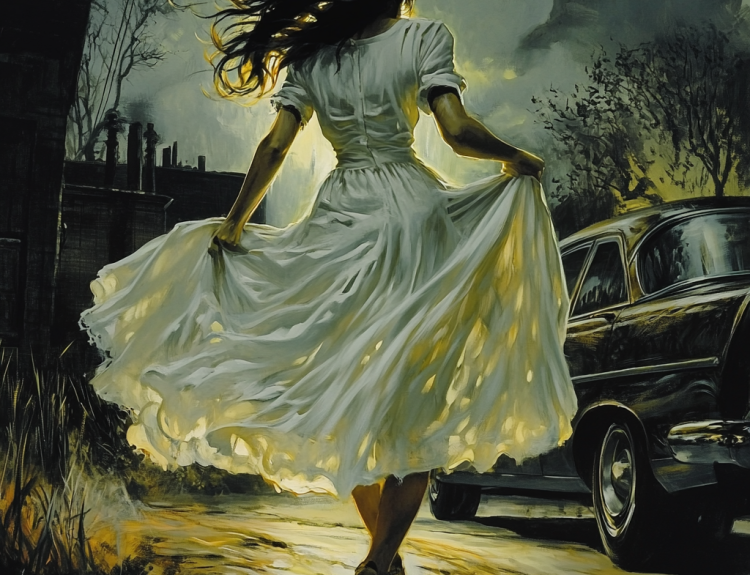
Visitors and storytellers have long associated Rose Hall with supernatural activity, including sightings of a mysterious woman believed to be Annie Palmer. Jamaica’s tourism board even notes the legend of a ghostly woman appearing at one of the house’s highest windows.
Whether these sightings are genuine paranormal encounters, products of an enduring local legend, or simply the result of exploring an atmospheric old plantation house after dark is ultimately for visitors to decide.
Visiting Rose Hall Plantation
By now, you may be wondering whether Rose Hall Great House is open to visitors— and fortunately for anyone intrigued by its history, the answer is yes.
Rose Hall currently offers both daytime and evening experiences. The Rose Hall Great House & Garden Tour provides an opportunity to explore the historic mansion and learn about its colonial-era history, architecture and famous legends.
For those looking for something a little more frightening, there is also the Haunted Night Tour.
The current night tour runs from Wednesday to Saturday, with tours taking place in the evening. The experience combines the history of Rose Hall with theatrical storytelling and the legend of Annie Palmer, allowing visitors to explore the Great House after dark. Tours last approximately 45 minutes to an hour, and reservations are required for the Haunted Night Tour.
The official daytime tours currently operate Monday to Saturday from 9:15 a.m. to 4 p.m., while the Haunted Night Tours operate Wednesday to Saturday from 6:30 p.m. to 8:30 p.m. The Great House is closed on Sundays and public holidays.
So, if you’re hoping to see the White Witch for yourself, an evening visit might be the obvious choice.